
Latin America’s Hospitality 2026 Talent Test
By Marlon Castiblanco
Latin America is heading into 2026 with a hospitality story that looks less like a straight-line “boom” and more like a selective surge: strong growth in specific corridors, product types, and investor-led developments—paired with a tightening market for functional leaders who can protect margins while scaling service standards.
On the development side, the momentum is real. Lodging Econometrics’ reporting on the region points to rising openings into 2026 (new hotel counts expected to climb again in 2026) and a pipeline concentrated in a handful of countries. (Hotel Management Network) At the same time, macro conditions vary widely by country; some forecasts point to softer GDP growth across the region in 2026 even as tourism remains resilient. (Rider Levett Bucknall)
That combination—expansion plus complexity—is exactly what drives demand for functional management talent: finance, revenue strategy, operations, talent, and commercial leadership that can translate volatility into stable results.
 Why I’m bullish on functional leaders (not just “general managers”)
 Why I’m bullish on functional leaders (not just “general managers”)
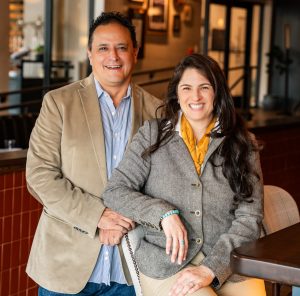
I currently co-own the Beechwood Inn, a historic North Georgia bed and breakfast inn that entered a new era when my wife Eli Marie Rodriguez and I became owners in 2022. Like many independents, we live and die by the disciplines behind the scenes: labor planning, pricing, service design, guest recovery, and cash discipline. And in larger organizations—across major multinational brands—the same truth applies at scale: the hotels that win are the ones where functional leaders turn strategy into execution every day.
In 2026, Latin America’s hotel market will reward leaders who can do four things well:
- Grow revenue without discounting
- Manage labor and service quality simultaneously
- Run disciplined capex/openings and asset performance
- Navigate multi-country complexity—currency, compliance, and culture
Those are functional-management problems, and that’s where the talent pressure will be greatest.
Where Demand for Management Talent will be Strongest in 2026
1) Mexico: Latin America’s largest development engine
Mexico remains the clearest magnet for growth—and therefore talent demand—because the development pipeline is massive relative to other markets. In Lodging Econometrics’ Q1 pipeline snapshot, Mexico led Latin America by project count and rooms.
What that means for talent in 2026:
- Strong hiring for openings teams, multi-property ops, revenue leaders, and sales/commercial roles that can balance S.-driven demand patterns with local seasonality.
- Elevated need for leaders who can standardize quality across portfolios while managing cost pressures in high-volume destinations.
- Brazil: scale market + operational complexity
Brazil is consistently among the top pipeline markets, ranking just behind Mexico in Lodging Econometrics’ Q1 country breakdown.
What that means for talent in 2026:
- Portfolio operators will look for finance and controls leadership, because scale without controls is how you lose profitability.
- Strong pull for digital distribution and revenue management leadership (Brazil’s demand mix is diverse; performance depends heavily on segmentation discipline and channel strategy).
3) Dominican Republic: resort growth and “experience-led” operations
One of the most important signals in the pipeline data is that the Dominican Republic ranks among the top markets by projects and rooms—and has hit record highs in those metrics in recent reporting.
What that means for talent in 2026:
- High demand for all-inclusive and resort operations expertise: guest experience design, F&B execution, activities programming, procurement, and quality
- Strong need for HR and training leadership because resort service models depend on throughput, consistency, and retention.
- Colombia and Peru: brand growth + culinary/experience positioning
From an investor and brand perspective, Colombia continues to elevate its profile through food, culture, and city demand, which supports upscale and lifestyle positioning—exactly the segment where functional leaders make the biggest difference. (Condé Nast Traveler) And broader economic outlooks suggest some markets (including Colombia, in at least one 2026-oriented outlook) show resilience even when regional growth softens. (Oxford Economics)
What that means for talent in 2026:
- Demand for commercial strategists who can build rate integrity and brand identity (not just occupancy).
- Strong pull for F&B leadership and guest-experience operators who can monetize “experiential hospitality” while maintaining margins.
5) “Secondary winners”: Costa Rica, Panama, and select Caribbean corridors
Even where country-level pipeline volume is smaller, the talent market heats up quickly when a destination leans into premium leisure and sustainability-led travel. The Caribbean and parts of Central America have seen strong tourism momentum in recent monitoring. (Rider Levett Bucknall)
What that means for talent in 2026:
- Demand for leaders with sustainability operations, service culture, and high-touch guest experience skills.
- More competition for bilingual, internationally seasoned managers, because destination brands often recruit regionally.
The most in-demand functional skill sets for 2026
Revenue Management + Distribution Leadership (top of the list)
In 2026, “revenue” is no longer a back-office function. It’s the commercial brain of the hotel. Leaders who can connect pricing, channel mix, marketing spend, and forecast discipline will be among the hardest roles to fill—especially in markets with volatile currencies and demand surges.
Profiles in demand:
- Cluster/complex revenue directors
- Distribution and channel strategy leaders
- Data-forward commercial leaders who can coach owners and GMs
Finance, Controls, and Profitability Management
Growth without profitability is not growth—it’s risk. With capex cycles, openings, and cost inflation, finance leaders who can build owner trust and protect cash flow will be critical. My own work across major brands shaped my bias here: great operators still need disciplined financial frameworks to scale consistently. (ExeQfind)
Profiles in demand:
- Controllers and finance directors with multi-property capability
- Asset-light performance managers who can speak both “ops” and “investor”
- Procurement and cost-control specialists
Human Capital: HR, Training, and Culture Builders
Hotels win through people. In 2026, the most valuable HR leaders won’t be the ones who “process hiring”—they’ll be the ones who can build pipelines, reduce churn, train to standards, and keep service consistent even as properties expand.
Profiles in demand:
- Learning & development leaders
- Labor relations and workforce planning specialists
- Culture-driven HRBPs who can partner with operations
Openings, Brand Standards, and Multi-Property Operations
As openings accelerate into 2026, the constraint becomes leadership bandwidth. The region will need operators who can open fast, stabilize faster, and maintain standards across multiple sites. The Lodging Econometrics outlook of increasing openings into 2026 reinforces this need. (Hotel Management Network)
Profiles in demand:
- Openings leaders (pre-opening + stabilization)
- Area directors and cluster ops leaders
- Quality assurance and brand compliance specialists
Guest Experience, F&B, and “Experience Economy” Operators
Especially in resort and lifestyle markets, the differentiator is the experience: service choreography, F&B excellence, programming, and recovery. Colombia’s rising culinary profile is a public example of how experience translates into demand and rate power. (Condé Nast Traveler)
Profiles in demand:
- Executive chefs and F&B directors with commercial instincts
- Guest experience/design leaders
- Service training and standards leaders
Technology, Analytics, and AI-enabled Operations
This is a quieter—but very real—talent shift. Owners want better forecasting, better labor scheduling, better personalization, and better distribution economics. The functional leaders who can operationalize tech (not just buy it) will be rare and valuable.
Profiles in demand:
- Ops analytics leaders
- Systems-minded GMs and directors who can modernize SOPs
- Cyber/privacy-aware leaders in guest-facing tech environments
A practical takeaway for employers and candidates
If you’re building teams for Latin America in 2026, prioritize functional depth plus cross-cultural agility. The strongest leaders I’ve seen—at global brands and in independent ownership—share three traits:
- They can translate strategy into daily
- They understand profitability as a discipline, not a
- They lead across cultures with humility and
And if you’re a candidate targeting the region: build credibility in one functional “home” (revenue, finance, HR, ops excellence, openings) and then broaden your range through cluster exposure and multi-property problem solving.
Latin America’s hospitality growth into 2026 is real—but the winners will be the operators who can staff (and retain) functional leaders capable of scaling quality while defending profitability in complex, fast-moving markets.
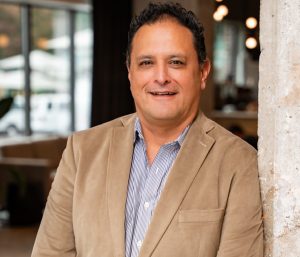
Marlon Castiblanco is a senior recruiter with The QualiFind Group where he leverages both his career experience and co-ownership of the award-winning boutique bed and breakfast inn – Beechwood Inn to support hotel and hospitality organizations in their need for functional and managerial talent.
Office: 619.661.2585
Mobile: 305.300.9442